
Jane App reconciliation involves aligning bank deposits with clinic revenue reports to account for transaction fees, taxes, and subscription costs. Successful Jane App reconciliation bookkeeping therapists use the Cash Reconciliation report to ensure gross sales and net payouts are correctly balanced within their accounting software. This structured approach prevents financial discrepancies and ensures that clinic owners avoid overstating their actual revenue.
Looking at your bank statement only to find that your Jane App payouts never quite align with your actual session revenue is a common source of frustration for private practice owners. When your deposits are net of processing fees or split across multiple dates, the simple task of bookkeeping becomes a complex puzzle that consumes valuable clinical hours. Precise reconciliation is not just about balancing your checkbook; it is essential for maintaining accurate tax records and understanding your true profit margins. In this guide, we will examine why these discrepancies occur and identify the specific Jane reports required for a clean audit trail. You will learn a practical, step by step workflow for matching payouts to your books, handling tax exemptions, and managing the inevitable headache of payments in transit at month end.
Why Your Jane Payouts Rarely Match Your Bank Deposits
It is a common source of frustration for solo practitioners to look at their Jane App schedule, see a full day of $150 sessions, and then find a bank deposit for a completely different, lower amount two days later. This "disappearing money" is not a glitch; it is the fundamental gap between your gross revenue and your net deposits. This discrepancy is the primary reason why many practitioners feel disconnected from their actual earnings.
When you use Jane Payments, your transactions are batched and processed on a rolling schedule. Before that money hits your Canadian bank account, processing fees are deducted off the top. In Canada, these fees are typically 2.5 percent for in-person credit card swipes and 2.75 percent for online payments. If you only record the final amount that lands in your bank, you are accidentally understating your practice's income. This creates a misleading picture of your business growth and performance.
From a CRA compliance perspective, this is a significant detail. When filing your T2125 as a sole proprietor, you are required to report your gross income, which is the total amount billed before any fees. The processing fees should then be listed separately as a business expense. Simply "booking the net" means your financial records do not reflect the true volume of your practice, which can lead to issues during an audit or when claiming GST/HST exemptions for therapists.
Jane App reconciliation bookkeeping therapists often find that managing these discrepancies manually is overwhelming. Without a clear system to bridge the gap between what the client paid and what the bank received, your year-end tax planning becomes a guessing game. Ensuring that every cent is accounted for, from the moment of the swipe to the final deposit, is the foundation of monthly bookkeeping for therapists. Understanding this logic is the first step in gaining true clarity over your clinic’s financial health. If you are feeling overwhelmed by these numbers, you can contact us for a clear financial strategy.
The Core Reports You Need for Jane App Reconciliation
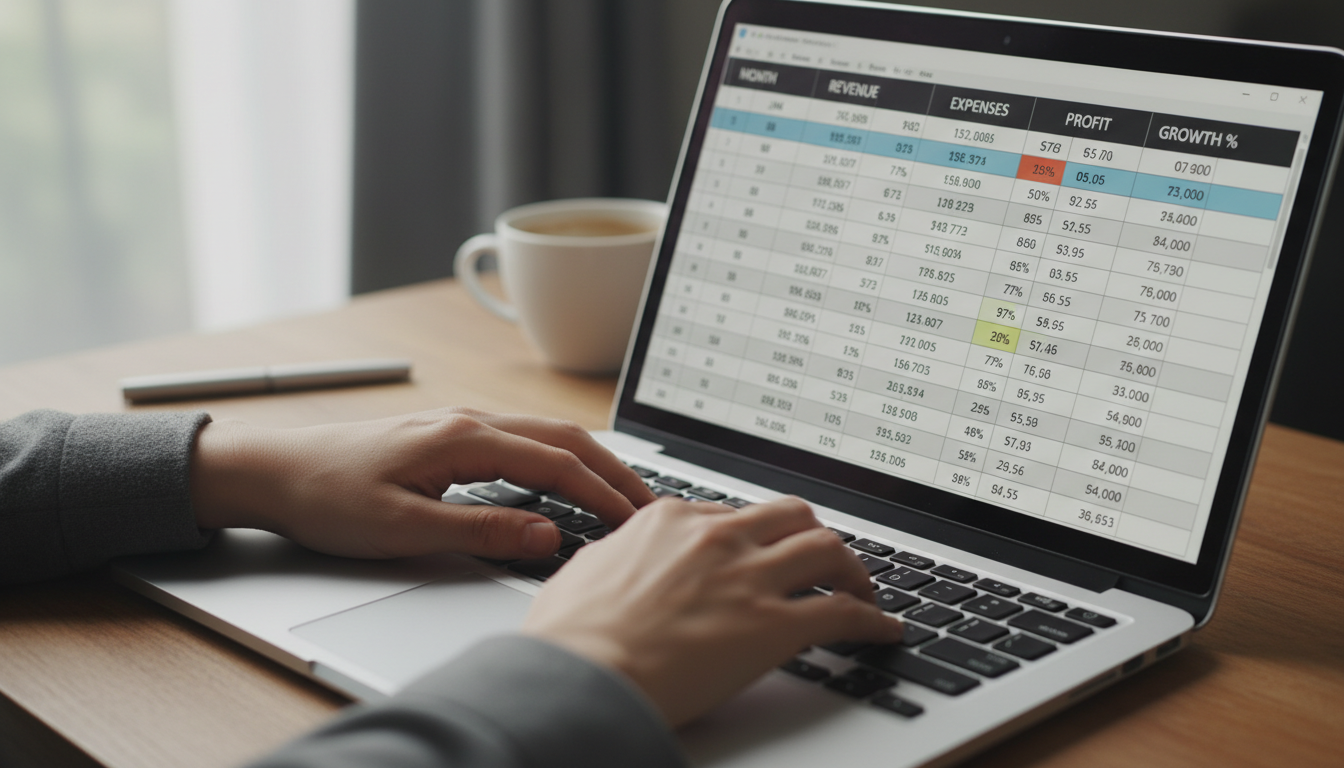
To bridge the gap between your practice management software and your bank account, you must master three specific documents within Jane. The Sales Report is your primary source for accrual basis revenue; it records the value of services provided based on the date of the appointment, regardless of when the client actually pays. This report is vital for accurate T2125 reporting because it reflects the true volume of your clinical work. In contrast, the Transaction Report tracks cash flow, showing exactly when payments were applied to invoices, which is essential for managing your daily operations and tracking unapplied credits.
The most critical tool for Jane App reconciliation bookkeeping therapists is the Payouts Report. This report acts as the technical bridge between Jane and your bank account. It details every batch deposit, listing exactly which client invoices were included and, importantly, the specific merchant fees deducted before the funds were transferred. Without this report, it is impossible to accurately record the gross income and the corresponding processing fees that the CRA requires you to report separately.
It is important to distinguish between Jane’s internal Cash Reconciliation Report and the formal bookkeeping reconciliation you perform in software like QuickBooks or Xero. Jane’s report is a high level summary of financial activity, such as payments received and credits applied, designed to help you balance your clinic's daily activity. However, true bookkeeping reconciliation involves matching these internal records against your external bank statements to ensure every dollar is accounted for. By using these reports in tandem, you ensure that your monthly bookkeeping for therapists is not just a guess, but a precise reflection of your practice’s financial health.
A Step by Step Workflow for Matching Payouts to Your Books

Establishing a repeatable rhythm for Jane App reconciliation bookkeeping therapists transforms a chaotic bank feed into an organized financial system. This workflow ensures that your books are audit ready and that you are maximizing your deductible expenses. Following these four steps every month will keep your records clean and compliant.
Export the Payout Report: Navigate to the Billing tab in Jane, select Jane Payments, and then click Payouts. Export the report for the specific month you are closing. This document is your source of truth; it lists every batch deposit that actually landed in your bank account, providing the exact breakdown for each transfer.
Record Gross Sales as Revenue: For every payout listed, look at the Gross amount. This is the total value paid by your clients before any processing fees were deducted. In your bookkeeping software, record this full figure as your revenue. This step is vital for monthly bookkeeping for therapists because it ensures your total income is not understated on your tax return.
Record Merchant Fees as a Separate Expense: Locate the Fees column in the Payout report. This represents the 2.5 percent or 2.75 percent Jane collected for processing. Record this total as a Merchant Fee expense. By keeping revenue and fees separate, you remain compliant with CRA requirements and accurately reflect the cost of your billing operations.
Match the Net Amount to the Bank Deposit: The Net amount in the Jane report should now perfectly match the deposit shown in your bank feed. Use your accounting software to match the bank transaction against the gross revenue and fee entries you just created.
Managing this workflow requires an understanding of the rolling schedule. Jane typically deposits funds two business days after the transaction occurs. Consequently, a session paid for on a Friday may not appear in your bank until the following Tuesday. When reconciling, always match based on the Payout Date rather than the Appointment Date to ensure your bank balance remains accurate. If these technical steps feel like a distraction from your clinical work, you can contact us for a clear financial strategy to handle these integrations for you.
Managing GST, HST, and Exemptions in Jane App
Properly matching payouts is only half the battle; you must also ensure your Canadian tax obligations are accurately reflected in every transaction. Following recent legislative changes, many psychotherapy services are now exempt from GST/HST. However, other revenue streams, such as clinical supervision, workshops, or administrative fees, might still require you to collect and remit tax. If Jane is not configured to distinguish between these categories, your reconciliation process will inevitably lead to messy filings and potential overpayment to the CRA.
When setting up your Jane account, assign specific tax rates to each service and product individually rather than applying a blanket rule across the board. This precision allows your reports to clearly show tax collected versus gross revenue. During the monthly Jane App reconciliation bookkeeping therapists should verify that the sales tax shown in the Jane Sales Report aligns with the figures being recorded in their accounting software. Mistakes at this stage often lead to errors on the T2125, particularly when claiming GST/HST exemptions for therapists.
Our team at Bookkeeper For Therapists specializes in auditing these settings to ensure your monthly bookkeeping for therapists remains compliant with provincial and federal standards. We help you navigate these nuances so that your tax season is a non-event. If you are unsure if your Jane settings align with current CRA guidelines, you can contact us for a clear financial strategy.
The Month End Headache: Handling Payments in Transit

The calendar and the banking system rarely cooperate, which creates a specific challenge for Jane App reconciliation bookkeeping therapists at the end of every month. If you hold a session on September 30th, the client is charged immediately, but the net funds likely will not land in your bank account until October 2nd. If you only look at your bank statement to record income, your September revenue will look artificially low, and October will look inflated. This timing difference makes it difficult to track your actual performance or plan for GST/HST exemptions for therapists.
To solve this, we recommend using a clearing account in your accounting software. Think of this as a virtual holding pen for your money. When a client pays via Jane, you record that money as entering the Jane Clearing Account, an asset on your balance sheet, on the day of the session. When the actual deposit hits your bank account a few days later, you record a transfer from the clearing account to your checking account.
This method ensures your Profit and Loss statement accurately reflects the work you did in the month it occurred. At any given month end, your clearing account balance will represent the payments in transit that you are still waiting for. This technical adjustment is a hallmark of professional monthly bookkeeping for therapists, providing a clear and audit ready trail for every transaction. If managing these rolling balances feels like a hurdle, you can contact us for a clear financial strategy to keep your books perfectly aligned with the calendar.
Common Jane App Reconciliation Mistakes to Avoid
Managing the in transit balances is a technical hurdle, but even with a clearing account, specific errors can quietly derail your financial accuracy. When Jane App reconciliation bookkeeping therapists overlook small discrepancies, they often snowball into significant tax time headaches.
One of the most frequent errors is ignoring merchant fees. By only recording the net deposit, you fail to claim the 2.5 percent or 2.75 percent processing costs as a business expense. This leads to an overstated net income on your T2125, essentially causing you to pay taxes on money you never actually kept. Always cross reference the Payouts Report to capture these fees as a separate line item.
Double counting revenue is another common pitfall, especially for practitioners who transition from manual spreadsheets to automated software. If you record a payment in your bank feed and also manually enter it from a Jane invoice without matching them, your income will appear twice as high as it actually is. Implementing a strict matching rule within your accounting software prevents this artificial inflation.
Refunds and chargebacks are often forgotten because they appear as negative values in the Payouts Report. If a payout is lower than expected due to a refund, simply booking the net amount obscures the transaction history. Similarly, failing to track unapplied credits or gift card balances can lead to misreporting liabilities as revenue. Gift cards should remain on the balance sheet as a liability until the service is rendered to remain compliant with GST/HST exemptions for therapists.
Correcting these errors requires a meticulous review of Jane’s internal reporting against your bank ledger. If you find your balances never seem to quite align, contact us for a clear financial strategy. Our monthly bookkeeping for therapists ensures these specific Canadian compliance issues are handled correctly every month.
Reconciling your Jane App payouts is the best way to maintain a clear picture of your practice's financial health. It ensures that every dollar earned is properly accounted for in your books. If you find this technical process overwhelming or simply want expert help managing your finances, our services are designed specifically for therapists. We can handle the numbers while you focus on your clinical work, providing peace of mind that your books are always accurate and up to date.