
To determine how to price therapy services Canada private practice, practitioners should set rates between $100 and $250 per hour, as the national average currently sits around $150 per session. Fees should be calculated by balancing operational expenses and specialized expertise against local market standards. Regular, small annual increases are also recommended to ensure the practice remains financially sustainable over time.
Most therapists set their session rates based on a cocktail of intuition, local averages, and a lingering fear of being inaccessible. While empathy is a core clinical skill, it is a poor financial strategy when it leads to a practice that barely covers its overhead. Establishing your fee is not merely about picking a number that feels right; it is a calculated business decision that ensures your longevity in this profession. In this guide, we will move beyond guesswork by exploring provincial market standards and the essential reverse budget method to determine your actual financial needs. We will also address the critical impact of GST and HST on your bottom line, identify the invisible costs that erode your profit, and provide a roadmap for implementing rate increases within Jane App or Owl Practice. By the end, you will have a pricing structure that honors both your clinical expertise and your business stability.
Understanding the Average Cost of Therapy in Canada
Determining how to price therapy services Canada private practice begins with an objective look at the current market landscape. While every practitioner brings a unique set of skills to their room, Canadian clients generally see session rates ranging from $90 to $250. Data indicates that the national average for a standard individual session typically falls between $100 and $150. However, practitioners with advanced certifications, doctoral degrees, or niche specializations frequently set their rates in the $200 to $250 bracket to reflect their additional expertise and the complexity of the cases they handle.
Geography plays a significant role in these benchmarks. In major metropolitan hubs such as Toronto and Vancouver, higher commercial rents and a greater cost of living generally push the standard rate toward the upper end of the spectrum. In these cities, a $200 hourly rate is often considered the norm for experienced clinicians. In contrast, practitioners in smaller communities or rural areas may find that local market expectations sit closer to the $100 to $130 baseline.
While these figures provide a necessary frame of reference, they represent only one piece of the puzzle. Relying solely on market averages can lead to financial strain if your specific overhead costs are not accounted for. Using a broad average does not guarantee that your practice will remain profitable or meet T2125 compliance requirements for reporting business income to the CRA. Treat these averages as a starting point for your research, rather than a final price list, as you begin to reconcile external market pressure with your internal financial needs.
Market Standards and Provincial Associations
While national averages offer a broad perspective, professional associations provide the most reliable benchmarks for your specific designation. Many provincial bodies publish recommended fee schedules to help clinicians align their rates with regional standards and professional expectations. For instance, the British Columbia Association of Clinical Counsellors (BCACC) and the Ontario Association of Mental Health Professionals (OAMHP) regularly update suggested session rates based on economic shifts and practitioner experience levels.
Consulting these schedules is a vital step in determining how to price therapy services Canada private practice because it grounds your financial decisions in professional authority. These guidelines often account for the unique regulatory environments of each province, such as the specific requirements for Registered Psychotherapists in Ontario versus Registered Clinical Counsellors in BC. In Alberta, organizations like the Psychologists' Association of Alberta (PAA) provide similar fee frameworks that reflect the local cost of living and professional overhead.
Aligning with these benchmarks ensures you stay within the professional norm and provides a defensible rationale if clients or insurance providers question your fees. Beyond just pricing, staying informed about association updates helps you maintain T2125 compliance by ensuring your revenue expectations match the reality of your professional standing. Checking these resources first allows you to build a pricing strategy that is both competitive and ethically sound within your local peer group.
The Reverse Budget Method: Calculating Your Needs

Reverse budgeting flips the traditional pricing model on its head by starting with your financial goals rather than your peers' fees. To determine how to price therapy services Canada private practice effectively, you must calculate the total revenue required to sustain both your professional operations and your personal life. This begins with your desired net income, which is the actual amount you need in your personal bank account to cover your mortgage, groceries, and lifestyle after all business obligations are met.
From there, you must add your annual business expenses, including office rent, Jane App or Owl Practice subscriptions, and professional insurance. You also need to factor in costs that employees often take for granted, such as health and dental benefits and a reserve fund to cover the weeks you aren't seeing clients. Crucially, your rate must account for T2125 compliance and the employer portion of Canada Pension Plan (CPP) contributions, which solo practitioners must pay in full.
Consider the following calculation for a practitioner aiming for a sustainable schedule that accounts for seven weeks of time off for vacation, illness, and professional development:
Calculation Component | Annual Total |
|---|---|
Session Rate ($150) x 20 Sessions Per Week | $3,000 |
Weekly Revenue ($3,000) x 45 Working Weeks | $135,000 |
Total Annual Gross Revenue | $135,000 |
It is vital to recognize that gross revenue is not the same as spendable income. In this $135,000 scenario, a significant portion of that total is immediately spoken for by the CRA and your overhead. After subtracting roughly $25,000 in business expenses and another $35,000 for income tax and CPP, your actual take home pay may be closer to $75,000. If that net figure does not meet your personal needs, you must adjust your hourly rate upward. Utilizing monthly bookkeeping services allows you to track these variables in real time, ensuring your session rate supports your life rather than just covering your costs.
Accounting for Invisible Business Costs

The mathematical clarity of a reverse budget is only useful if every line item is captured. Many practitioners overlook invisible overhead that quietly erodes their net income. While session rates are the most visible part of your practice, your take home is fundamentally tied to the operational costs that occur between those sessions. If these are not accurately identified, your calculation for how to price therapy services Canada private practice will always be slightly off.
Practice management software, such as Jane App or Owl Practice, represents a fixed monthly investment that ensures T2125 compliance and secure charting. Beyond software, professional liability insurance and annual registration fees with provincial colleges are non-negotiable expenses. Then there is the cost of professional development; specialized certifications or required supervision hours can easily cost thousands of dollars annually, yet these are rarely factored into the session rate until the end of the year.
One of the most significant invisible burdens for solo practitioners in Canada is the Canada Pension Plan (CPP) contribution. Unlike an employee who only pays the employee portion, a self-employed therapist must pay both the employee and the employer portions. This effectively doubles your CPP obligation, a detail that can lead to a surprising tax bill if not accounted for in your pricing strategy.
Expense Category | Examples of Costs to Include |
|---|---|
Technology & Admin | Jane App or Owl Practice subscriptions, secure email, website hosting |
Professionalism | Liability insurance, college dues, continuing education |
Operations | Office rent, utilities, office supplies, bank fees |
Tax Obligations | Employer portion of CPP, provincial income taxes |
Tracking these figures through monthly bookkeeping services transforms these hidden drains into predictable data points. When you recognize that every hour of therapy must also fund these background operations, setting a sustainable rate becomes a matter of professional survival.
The GST HST Factor in Your Pricing Strategy
Beyond operational expenses, the impact of federal consumption taxes represents a significant variable in your final take home pay. Navigating the GST HST Exemption for Therapists is a high priority for practitioners today, especially following recent legislative changes that have exempted certain psychotherapy and counselling services. If your services are exempt, your session rate and your revenue are identical; however, if you are required to collect tax, your pricing strategy must account for the difference between the sticker price and your actual income.
When determining how to price therapy services Canada private practice, you must decide if your advertised rate includes tax or if tax is added on top. If you charge a flat $150 inclusive of 13% HST, your actual business revenue is only $132.74. This approach can quietly erode your margins over hundreds of sessions. Conversely, adding tax on top of your fee ensures your gross revenue remains consistent regardless of tax rate changes. Maintaining this distinction is essential for T2125 compliance and ensures your monthly bookkeeping services accurately reflect your practice's growth rather than just your tax collection. Knowing exactly what portion of your bank balance belongs to the CRA prevents year end cash flow surprises.
When and How to Raise Your Rates Empathetically
Adjusting your fees is a necessary part of maintaining a sustainable practice, yet many clinicians avoid it out of concern for the therapeutic alliance. To balance your financial needs with client care, consider an incremental approach rather than large, infrequent jumps. Research suggests that small annual increases, such as $5 or $10 per session each year, are often more manageable for clients than a significant increase every three years. This strategy helps your practice keep pace with inflation and ensures you remain in T2125 compliance by accurately reflecting your rising operational costs.
When deciding how to price therapy services Canada private practice long term, communication is the most critical element. Provide your clients with 60 to 90 days of notice before the new rate takes effect. This lead time allows clients to adjust their budgets or discuss any financial concerns during session. For long term clients or those experiencing financial hardship, you might choose to grandfather them into their current rate for an additional six months. This empathetic approach demonstrates that you value the relationship while still honoring the professional value of your work. Reviewing your financial data through monthly bookkeeping services can help you identify exactly when these adjustments are required to maintain your net income without compromising your clinical values.
Implementing New Rates in Jane App and Owl Practice
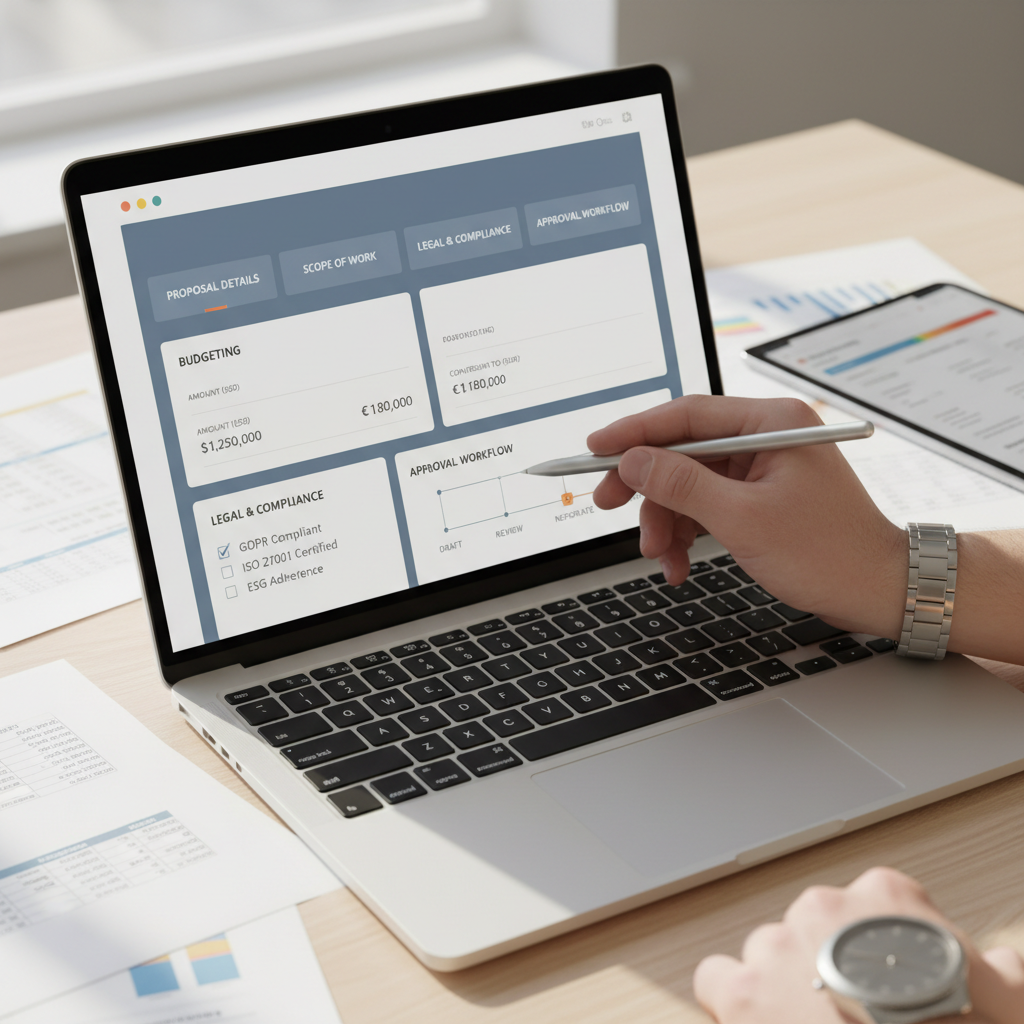
After finalizing how to price therapy services Canada private practice, you must translate those numbers into your practice management software. In Jane App, update your rates within Settings under Treatments. Be mindful that Jane typically preserves the rate active at the time of booking, so future dated appointments may require a manual update to reflect the increase.
In Owl Practice, navigate to Practice Setup and then Fee Schedule to apply your changes. Consistent naming conventions in these platforms are vital for monthly bookkeeping services to accurately reconcile your bank deposits. Streamlining this technical step ensures T2125 compliance by providing a clean audit trail between your clinical session logs and your year end tax filings.
Setting your rates is a critical step in building a sustainable Canadian private practice. By balancing your personal income needs with your business expenses and tax obligations, you ensure that your practice can thrive long term. If managing these complex financial details feels overwhelming, you may find it helpful to have an expert handle the numbers for you. You can explore our Services to see how we help therapists stay financially organized, allowing you to focus entirely on your clients.