Canadian solo massage therapists should choose bookkeeping software for massage therapists like QuickBooks Online, Xero, or Wave to streamline expense tracking and tax preparation. A specialist bookkeeper provides additional value by managing industry-specific nuances such as gift card liabilities, treatment tips, and professional association fees; this ensures full compliance with local tax regulations.
As a Canadian Registered Massage Therapist, you likely entered the profession to focus on patient wellness, not to spend your evenings struggling with complex accounting software. Many solo RMTs find themselves overwhelmed by generic advice that fails to address the nuances of a massage practice, such as tracking GST or HST on supplies and reconciling payments from platforms like Jane App. Selecting the right bookkeeping tools is not just about tax compliance; it is about gaining the financial clarity required to scale your practice sustainably. In this guide, we evaluate the top software options tailored for the Canadian market and examine how integrations with clinical management tools streamline your workflow. You will also learn how to manage practice specific hurdles like gift cards and when to transition from a manual DIY process to a specialized bookkeeping professional.
Why Standard Bookkeeping Software Advice Often Fails Canadian RMTs
Running a solo massage practice in Canada is physically and mentally demanding. Between back to back treatments and client care, the admin side of the business already feels like a second full time job. Yet when you search for the best bookkeeping software for massage therapists, you usually get generic lists written for an American audience, built around US tax forms and rules that do not apply to your practice.
For a solo RMT in Calgary or anywhere in Canada, that advice falls short because it ignores the T2125 form and the way GST and HST work for your services. A specialist bookkeeping service for Canadian therapists understands that your records need to be ready for the CRA, not the IRS. If a platform makes you manually work around sales tax or miscategorizes your professional dues, it is not saving you time, it is creating a liability. The ideal setup handles Canadian tax rules natively, so you can focus on your clients instead of your spreadsheet.
Top Bookkeeping Software Options for Massage Therapists in Canada
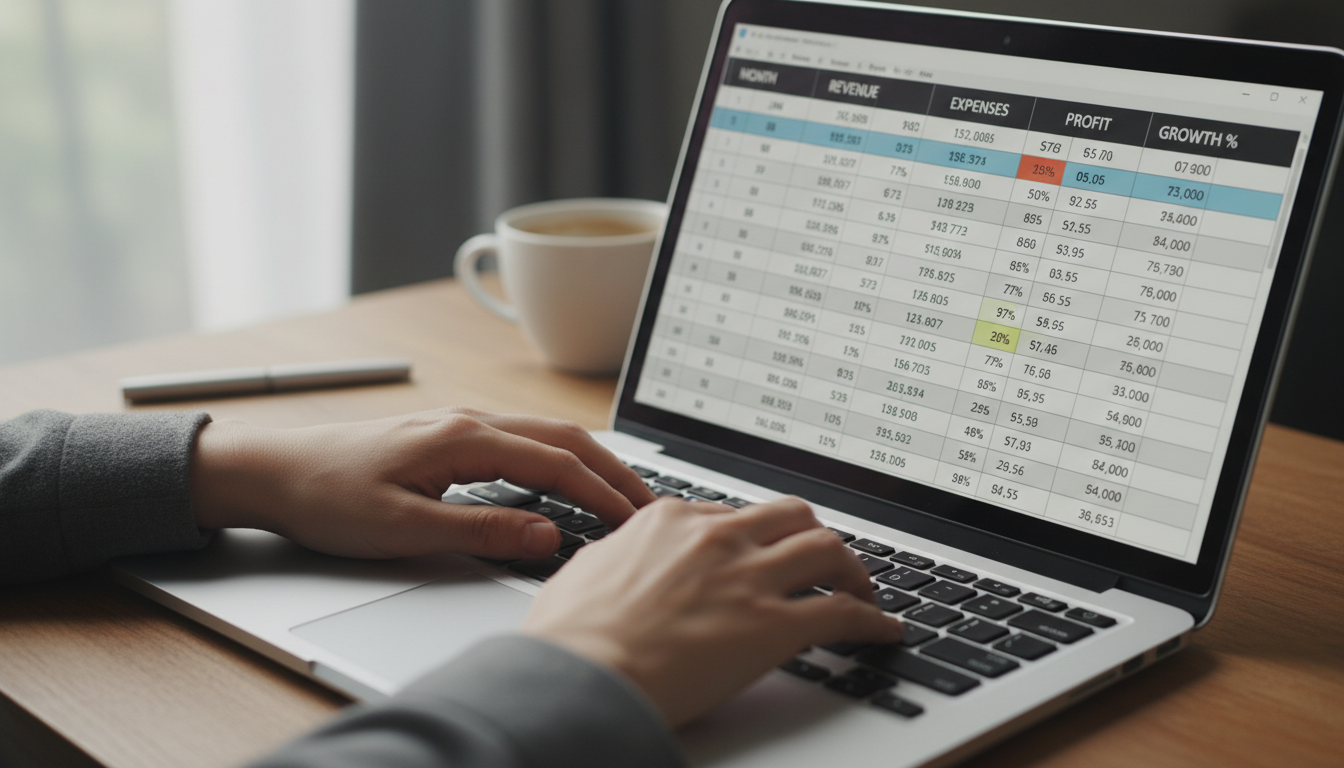
Selecting the right bookkeeping software for massage therapists requires moving past flashy marketing and looking at how a platform handles Canadian specific tax engines. The Canadian market is dominated by four main players, each offering different levels of support for GST, HST, and T2125 reporting. For a solo RMT, the choice often comes down to the balance between ease of use and the depth of Canadian tax localization.
Software | Canadian Localization | Best For |
|---|---|---|
QuickBooks Online | High; native T2125 and GST/HST tools | Professional standards and audit readiness |
Xero | High; robust Canadian bank feeds | Intuitive reconciliations and clinical integration |
FreshBooks | Medium; simplified invoicing focus | Basic billing for very small practices |
Wave | Low; basic ledger functionality | New practitioners on a strict budget |
QuickBooks Online and Xero are the professional standards for a reason. They offer the most reliable bank feeds for Canadian institutions, ensuring your transactions from a business account in Calgary or Toronto flow in without constant disconnection. These platforms excel at matching transactions, which is the foundation of monthly bookkeeping for therapists. Xero, in particular, is noted for its clean interface and its ability to handle multi-step reconciliations that occur when you have multiple revenue streams or complex payout structures.
FreshBooks is frequently a favorite for its user-friendly invoicing and time tracking. While it performs well for service based professionals who bill by the project, it can sometimes struggle with complex Canadian sales tax reconciliations. Compared to Xero or QuickBooks, managing the nuances of GST or HST within FreshBooks often requires more manual oversight. This manual work increases the risk of errors during a CRA audit, especially as your practice volume increases.
Wave remains a popular free starting point for solo RMTs. It provides a functional ledger, but it lacks the robust automation features found in paid tiers. As your practice grows and you begin managing higher volumes of transactions, the manual effort required in Wave often outweighs the initial cost savings. For a long-term strategy, investing in a professional grade tool ensures your data is structured correctly from day one, preventing a messy and expensive data migration later.
The Importance of Jane App and Owl Practice Integrations
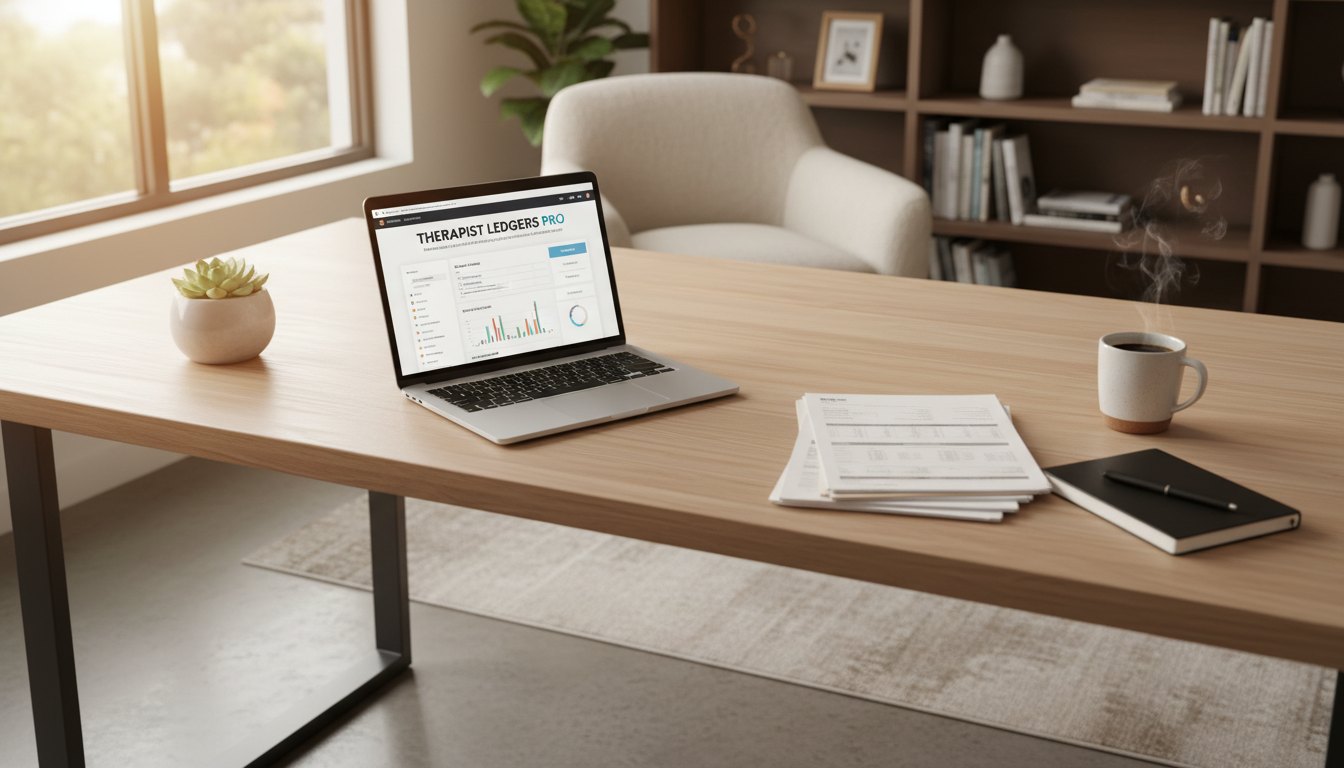
Most solo RMTs in Calgary and across Canada rely on Jane App or Owl Practice to run their clinic. These platforms are excellent for charting and scheduling, but they create a bookkeeping headache if your accounting software does not work well with your clinical records. The deposit that lands in your bank from Jane Payments or Stripe is almost always net of processing fees, and your software needs to reflect that reality.
If your accounting software records that deposit as your full income, you end up paying tax on money you never actually kept, because a portion was withheld by the payment processor. The fix is a simple split in your books: one entry for the gross sale, and a matching entry for the merchant fees. Without that precision, your T2125 shows an inflated profit and you hand the CRA more than you owe.
This is exactly where our team steps in. We specialize in reconciling Jane App payouts, because your clinical software shows what you billed while your bank shows what actually arrived. A specialist makes those two sources agree by matching the merchant statement against your clinical reports. The result: every fee is claimed as an expense, every dollar of GST or HST is accounted for, and your bottom line reflects what you truly earned. You can learn more about how we work with Canadian therapists.
Managing Massage Specific Financial Hurdles: Tips, Gift Cards, and Supplies
Beyond the technical sync between your clinical platform and your ledger, three specific financial hurdles often trip up Canadian RMTs: gift cards, gratuities, and clinic supplies. Gift cards represent a common pitfall because, under Canadian tax law, the funds received from a gift card sale are not considered income until the service is actually provided. If you record a five hundred dollar holiday gift card promotion as immediate revenue, you are artificially inflating your profit and paying tax on money that the CRA views as a liability, or unearned revenue. To manage this correctly, your bookkeeping software for massage therapists should track these sales in a dedicated liability account on your balance sheet, only moving the funds to your income statement once the client redeems the card.
Tips received through your clinical software or a point of sale terminal must also be isolated. While they are taxable income, they should not be buried in your gross sales figures, as this obscures your true service rates and complicates GST/HST calculations. Finally, ensure you are capturing every deduction for clinic essentials like oils, linens, and professional laundry services. These are direct costs of doing business that directly reduce your taxable income. A specialized Canadian accounting firm will help you categorize these expenses to maximize your T2125 deductions. Professional monthly bookkeeping for therapists ensures these nuances are handled in real time, preventing a massive tax bill or an audit flag when you file your return.
When Should a Solo RMT Move from DIY to a Specialist Bookkeeper?

Transitioning from managing your own ledger to hiring professional help often happens when the DIY approach begins to cost more than it saves. When practitioners ask what software most bookkeepers use, the answer is almost always Xero or QuickBooks Online. While you might find FreshBooks or Wave simpler for basic invoicing, professionals prioritize Xero or QBO because they provide comprehensive audit trails. These trails are essential for justifying your numbers to the CRA, as they track every modification to your financial data, ensuring your records are permanent and verifiable.
The primary factor in this decision is opportunity cost. If you spend two hours a month wrestling with bank reconciliations, you are effectively trading two billable treatment hours for administrative work. For a Calgary based RMT, this trade often represents a net loss in revenue. By outsourcing monthly bookkeeping for therapists, you reclaim that time to see clients, attend continuing education, or simply prevent burnout.
However, hiring a generalist bookkeeper can sometimes be as risky as doing it yourself. A generalist might understand basic bookkeeping, but a specialized Canadian accounting firm understands the specific complexities of your industry. This includes navigating GST/HST exemptions for health practitioners and ensuring your T2125 compliance is handled with precision. A specialist knows which professional dues are deductible and how to structure your expenses so that your Statement of Business or Professional Activities reflects your actual practice reality. This level of industry specific knowledge prevents costly miscategorizations that a general bookkeeper might overlook.
Key Questions to Ask Before Hiring a Bookkeeper for Your Practice
Finding the right partner requires more than just checking a box for an accountant. You need to ensure they understand the mechanics of your specific workflow. When interviewing a potential firm, use this checklist to gauge their expertise in the Canadian wellness space:
Do you have experience reconciling Jane App payouts? How do you handle deposits that arrive net of processing fees?
How do you handle GST and HST for RMTs? Which of my services are taxable, and how do you track the tax credits on my supplies?
Are you familiar with my province's health billing requirements?
Do you charge a predictable flat monthly fee?
Avoid bookkeepers who bill by the hour. Hourly billing creates a black box of expenses where you never know what your month end bill will be. A specialized Canadian accounting firm typically offers predictable, flat rate monthly bookkeeping for therapists. This allows you to treat your accounting as a fixed overhead cost, much like your rent or your bookkeeping software for massage therapists, rather than a fluctuating variable that eats into your profit margins. This predictability is essential for solo practitioners who need to manage cash flow without surprises.
Final Verdict: The Best Financial Setup for a Solo Canadian RMT
The most effective setup for a solo practitioner in Canada is a frictionless system that eliminates the manual entry of clinical data into tax records. For most practitioners, the ideal tech stack consists of Jane App for clinical management, paired with Xero for professional grade accounting. While Jane App reconciliation is technically demanding, this combination provides the most reliable audit trail for the CRA.
Component | Recommended Tool | Purpose |
|---|---|---|
Clinical Management | Jane App | Scheduling, charting, and initial billing |
Financial Ledger | Xero | Bank feeds, T2125 tracking, and GST reporting |
Strategic Support | Specialist Bookkeeper | Reconciliation, tax estimation, and compliance |
Choosing high quality bookkeeping software for massage therapists is only half the battle. The true value lies in the strategy behind the data. Professional monthly bookkeeping for therapists moves beyond simple record keeping; it provides a clear roadmap for your practice. By partnering with a specialized Canadian accounting firm, you ensure that merchant fees are deducted correctly and GST/HST obligations are met without overpaying. This infrastructure provides the freedom to focus on your clients while your business remains robust, compliant, and scalable.
The right software matters, but the right partner is what turns tidy books into real peace of mind. When your bookkeeping is organized, you spend your energy on clients instead of spreadsheets, and you keep more of what you actually earn. If you would like expert help with these details, get to know our team and see how we help Canadian solo practitioners feel calm and confident about their finances.