Psychotherapists and counselling therapists are no longer required to collect sales tax on their professional services following the implementation of the GST HST exemption therapists Canada 2026 legislation. To qualify for this exemption, practitioners must be licensed by a provincial regulatory body or possess equivalent qualifications in provinces where no such body exists.
For years, Canadian psychotherapists and counseling therapists have navigated a disjointed tax landscape where their peers in social work were exempt from GST/HST while they were not. This disparity often forced practitioners to choose between absorbing the tax themselves or passing a significant surcharge onto clients already managing the high costs of mental healthcare. The full implementation of these exemptions by 2026 represents a historic shift in your financial obligations; however, it also introduces new complexities regarding mixed revenue streams and the loss of specific tax credits. This guide provides a practical roadmap for the transition ahead. We will detail exactly which practitioners qualify for the exemption, explain why being exempt is fundamentally different from being tax free, and offer step by step instructions for updating your Jane App or Owl Practice settings to maintain seamless compliance.
The Evolution of Tax Exemptions for Canadian Mental Health Practitioners
For years, the Canadian tax landscape was inconsistent for mental health professionals. While Registered Psychologists and Social Workers have historically provided GST/HST exempt services, psychotherapists and counselling therapists were required to charge tax until a landmark shift on June 20, 2024. This change, enacted through Bill C-59, officially added psychotherapy and counselling therapy to the list of exempt health care services under the Excise Tax Act.
As we navigate the GST HST exemption therapists Canada 2026 landscape, practitioners must distinguish between exempt and taxable revenue. An exempt service is one where you no longer charge tax to the client; however, this status also means you can no longer claim credits on your business expenses. This differs from taxable services, such as life coaching or corporate consulting, which remain subject to the standard tax rates in your province.
Our firm has supported over 700 practices through this massive transition. We have seen firsthand that while the law is now firmly established, the compliance requirements have become more nuanced. Simply assuming all your income is exempt can lead to significant issues with T2125 compliance. For many practitioners, 2026 represents a year of stabilization, yet you must remain diligent about which specific services qualify under federal guidelines. If you are unsure how these historical changes affect your specific filing requirements, you can contact our specialized accounting firm for a clear strategy.
The Practitioner List: Who is Exempt in 2026?

Identifying your specific professional status is the first step in applying the GST HST exemption therapists Canada 2026 rules correctly. The CRA categorizes practitioners based on provincial regulation and educational credentials, and the requirements are not identical across all provinces.
The following practitioners are generally exempt from collecting GST/HST for qualifying clinical services:
Registered Psychologists: Licensed under provincial bodies, these services have long been exempt under Schedule V, Part II of the Excise Tax Act.
Registered Social Workers: These services fall under the social work provision in section 7.2, provided they are rendered to an individual for a health care purpose.
Registered Psychotherapists (Ontario): Practitioners registered with the College of Registered Psychotherapists of Ontario (CRPO) have been firmly exempt since June 20, 2024.
Counselling Therapists in Regulated Provinces: This includes practitioners licensed in New Brunswick, Nova Scotia, and Prince Edward Island where the profession is provincially governed.
Certified Canadian Counsellors (CCCs) in Unregulated Provinces: For practitioners in British Columbia, Saskatchewan, or Alberta, the CRA evaluates if qualifications are equivalent to those in regulated jurisdictions.
Alberta presents a unique challenge due to the ongoing regulatory landscape. The CRA has issued specific rulings regarding members of the Association of Counselling Therapy of Alberta (ACTA). If you hold a Master’s degree in counselling and meet the registration requirements equivalent to the CRPO, your services are generally exempt. However, if you qualified for ACTA through grandparenting or a portfolio of evidence without a Master’s degree, the CRA currently considers you a non-exempt practitioner. This creates a situation where two therapists in the same building may have different tax obligations based solely on their educational path.
Navigating these distinctions is a core part of the monthly bookkeeping for therapists we provide. If your credentials put you in a grey area, maintaining T2125 compliance becomes much more complex. Misidentifying your status can lead to significant back tax liabilities; if you are unsure where your practice fits, you should contact our specialized accounting firm to review your specific designation.
The Mixed Practice Headache: When You Must Still Charge GST HST
Navigating the GST HST exemption therapists Canada 2026 rules requires more than just checking your registration status. You must also evaluate the specific purpose of every service you provide. The CRA distinguishes between "qualifying health care services," which are intended to maintain health or prevent disease, and other professional activities that do not meet this clinical definition. If your practice includes a mix of these, you are running a mixed practice, which adds layers of complexity to your monthly bookkeeping for therapists.
Taxable services commonly found in a solo practitioner's practice include:
Life Coaching: While the skills overlap with therapy, the CRA generally views coaching as personal or professional development rather than a health care service.
Corporate Wellness Workshops: If a business pays you to speak to their staff or facilitate a workshop, this is a commercial service subject to GST/HST.
Expert Witness and Medico-Legal Reports: When your work is used for legal proceedings, insurance claims, or court testimony, the primary purpose is legal or administrative rather than therapeutic.
Administrative Supervision: While clinical supervision is often exempt when it directly benefits the client's care, purely administrative supervision of other staff members remains taxable.
For many solo practitioners, these gaps in the exemption mean you must still collect and remit tax on a portion of your income. Failing to separate these revenue streams accurately can lead to significant errors in T2125 compliance. If you provide a variety of clinical and non-clinical services, you should contact our specialized accounting firm to ensure your billing systems are configured to handle mixed tax rates correctly.
The Input Tax Credit Trade Off: Why Exempt is Not the Same as Tax Free

Transitioning to an exempt status is often viewed as a purely positive change, yet it fundamentally alters the way you manage your practice expenses. When your clinical services are GST/HST exempt, you lose the eligibility to claim Input Tax Credits (ITCs). In a taxable practice, the GST or HST you pay on business inputs is essentially refunded to you by the CRA. Once you become exempt, those credits disappear.
This shift means that for every business expense; from your electronic health record subscription to your office rent; you are now the final consumer of the tax. In provinces with HST, such as Ontario or Nova Scotia, your overhead costs effectively increase by 13 to 15 percent. In Alberta, you face a 5 percent increase. Because you can no longer recoup these amounts from the government, your net profit margin may shrink unless you adjust your session rates to account for this higher cost of doing business.
The most complex aspect of the GST HST exemption therapists Canada 2026 landscape is the deemed sale and repurchase rule for capital property. If you previously claimed ITCs on significant assets like a high end laptop, therapy room furniture, or a portion of a home office, the CRA considers you to have sold those assets to yourself and repurchased them at the moment your practice became exempt. This change in use often requires you to pay back a portion of the tax credits you previously received, which can create an unexpected tax liability.
Managing these transitions is a core component of monthly bookkeeping for therapists. Your T2125 compliance now requires you to report the full, tax inclusive price of your expenses as business deductions rather than tracking the tax separately. Because these rules involve nuanced calculations for equipment you already own, you should contact our specialized accounting firm to ensure your books accurately reflect your exempt status and that you have correctly handled any required ITC repayments.
Managing Your GST HST Account: To Close or Not to Close
Deciding whether to maintain an active GST/HST account is a strategic choice for practitioners navigating the GST HST exemption therapists Canada 2026 environment. If your practice is now 100 percent exempt, de-registering your account eliminates the administrative burden of filing regular returns. This simplifies your monthly bookkeeping for therapists by removing the need to reconcile tax accounts that no longer carry a balance.
Keeping the account open may be beneficial if you plan to earn any taxable income, such as from public speaking or teaching. If these activities exceed $30,000 in a calendar year, registration remains mandatory. If they remain below that threshold, you qualify as a small supplier; however, maintaining the account allows you to claim ITCs specifically for the expenses tied to those taxable streams. If you choose to close the account, you must ensure that you no longer charge tax to any clients, as collecting tax without a valid registration is a significant compliance error.
When you de-register, you must file a final GST/HST return. This filing is critical because it triggers the deemed sale rules for any capital property you own. You may be required to pay back GST/HST on the current value of your office equipment or furniture. This final reconciliation is vital for long term T2125 compliance. If you are concerned about a potential tax bill upon closing your account, contact our specialized accounting firm to calculate your potential liability before you notify the CRA.
Software Settings: Updating Jane App and Owl Practice for 2026 Compliance
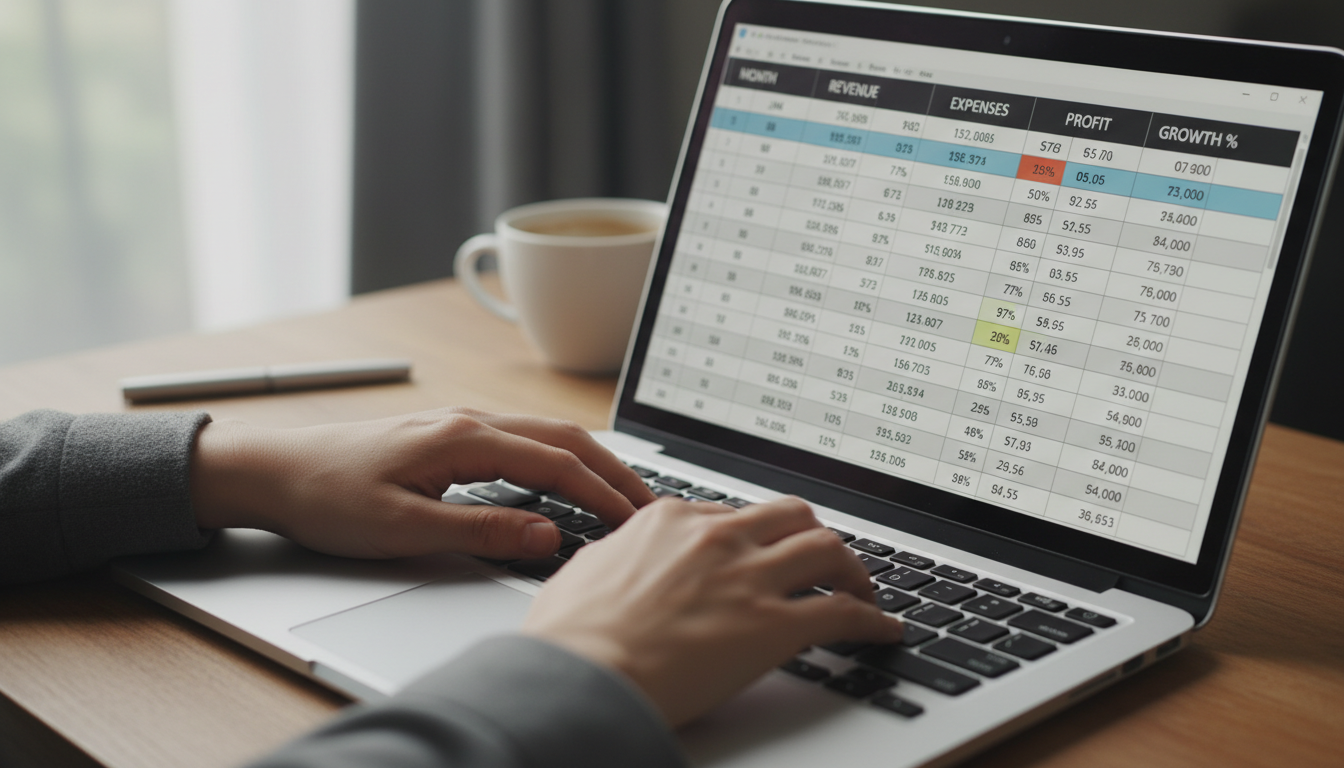
Once you have decided how to manage your CRA account, you must translate those rules into your practice management software. For practitioners navigating the GST HST exemption therapists Canada 2026 transition, Jane App and Owl Practice require specific manual updates to ensure your 2026 invoicing remains accurate.
In Jane App, navigate to Settings and then Taxes. You should not simply delete your GST/HST registration if you still provide any taxable services; instead, go into each individual Treatment and uncheck the tax box for qualifying clinical sessions. In Owl Practice, go to Settings and then the Finance tab, where you can adjust the tax rates applied to specific service codes. Setting these to None or 0% for clinical work ensures your client receipts correctly reflect your exempt status while maintaining the history of your previous billings.
A common mistake we identify during monthly bookkeeping for therapists involves the Product versus Service distinction. While your psychotherapy sessions may be exempt, physical goods like journals, weighted blankets, or therapeutic toys usually remain taxable. Many practitioners accidentally apply a blanket exemption to their entire account. This oversight leads to under reporting tax collected on retail items, which complicates your T2125 compliance and may trigger a balance due during an audit.
If you manage a mixed practice with both exempt clinical hours and taxable retail or consulting, your software settings must be granular. Ensuring every product and service is mapped to the correct tax profile is the only way to keep your records clean. If your Jane or Owl account has become a tangle of conflicting tax rates, contact our specialized accounting firm to help you audit your settings and align your 2026 billing with current CRA standards.
The recent changes to GST and HST exemptions provide a welcomed simplification for many therapists across Canada. However, determining how these rules apply to your specific practice still requires careful attention to detail. If you want expert help navigating these tax requirements or managing your monthly bookkeeping, feel free to learn more about our mission and the services we offer. We specialize in helping therapists stay organized and compliant, allowing you more time to focus on your clinical work.